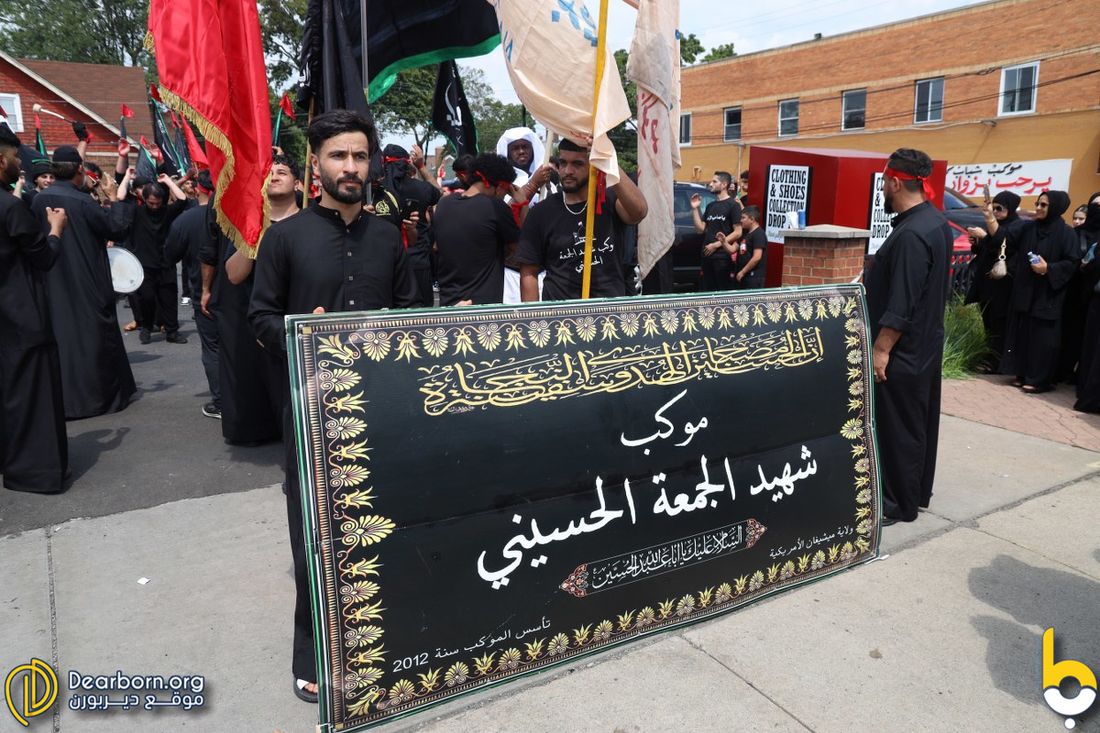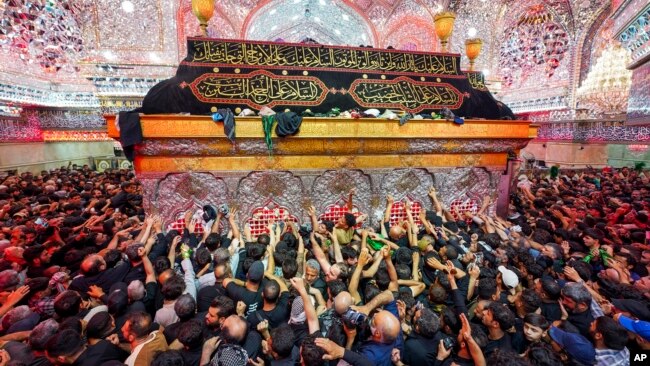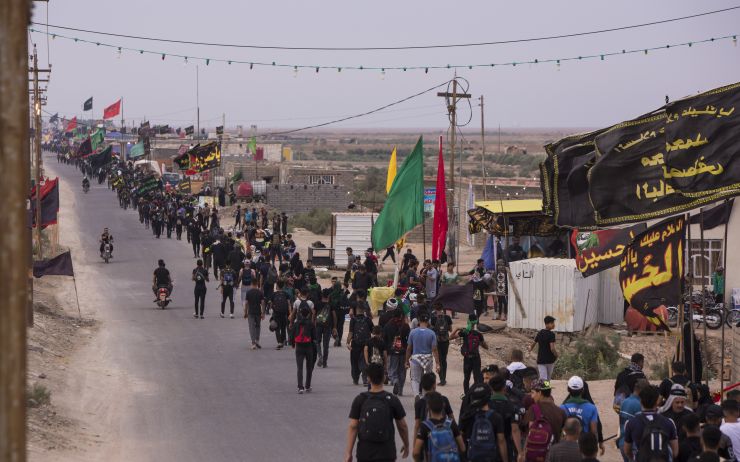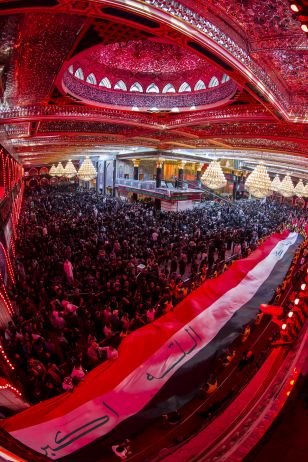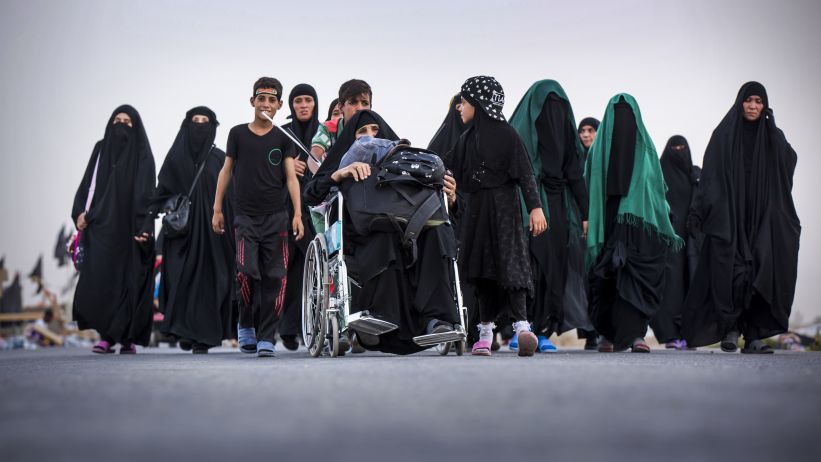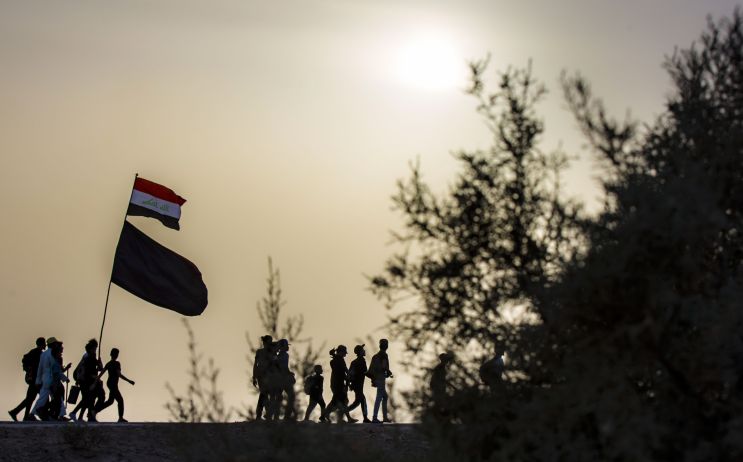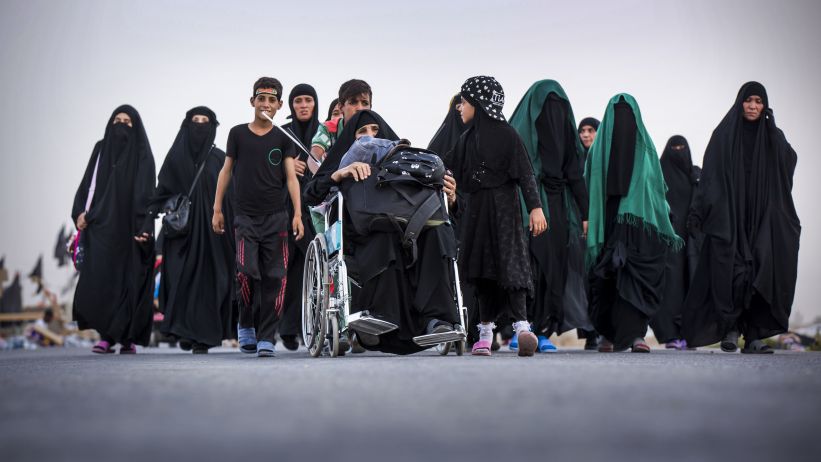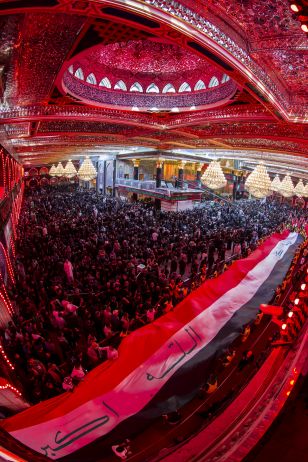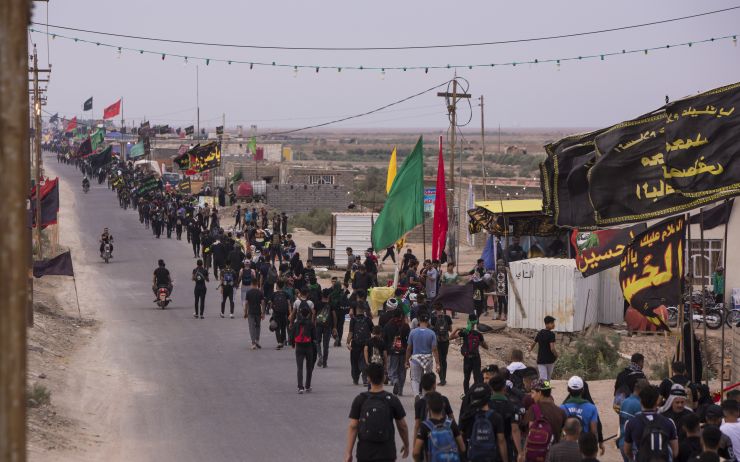

No religious phenomenon has taken on a social and
political character quite like the phenomenon of the "Mashaya" — the
walking performance of the visitation ceremonies of Imam Hussein (peace be upon
him) on the 20th of Safar each year. Since the fall of the Iraqi regime after
2003 and the collapse of its security institutions and repressive authority,
the phenomenon of performing the Arba'een Visitation of Imam Hussein (peace be
upon him) has emerged in a strikingly conspicuous manner, growing steadily in scale
and in the millions-strong rate of participation. It is natural, therefore,
that the circle of interest in studying this phenomenon — and in understanding
the motivations and causes that led to its expansion on such a vast scale —
should widen accordingly. This is what prompted the researcher to select it as
the subject of his research and to study it in a manner that provides some
degree of comprehensiveness in addressing those motivations and causes.
The primary purpose of this research is to present a
sociological study of this phenomenon and to read it from within, according to
an analytical field methodology, in order to identify the factors and causes
that led to its intensification and expansion following the fall of the regime
in 2003. It also seeks to investigate the social relationships that arise and
develop during participation and the practice of walking vast distances —
through which social, cultural, and behavioral customs and values are transmitted
among the participating sub-communities. It likewise enables the identification
of the political and religious instrumentalization of the phenomenon by the
institutions, movements, and parties that support it, such that it has come to
constitute the largest phenomenon of collective behavior in Iraq across all
ages.
This study examines the sociology of religion through
the observation and analysis of the phenomenon of performing the Arba'een
Visitation on foot, as a religious manifestation with a social, political, and
economic character. The researcher has endeavored to the best of his ability to
form a comprehensive conception of it, employing the research tools of
sociology reinforced by appropriate statistical methods, resulting in a thesis
whose pages approach more than 200.