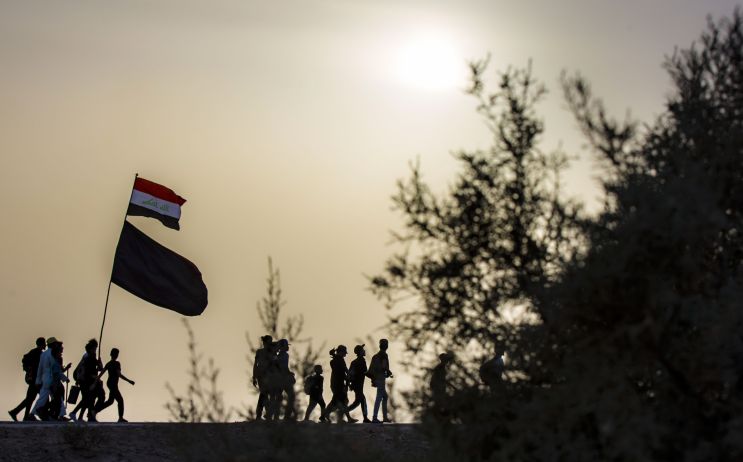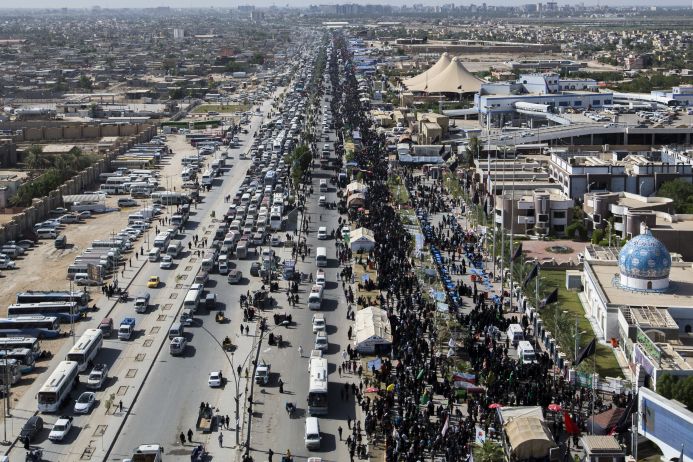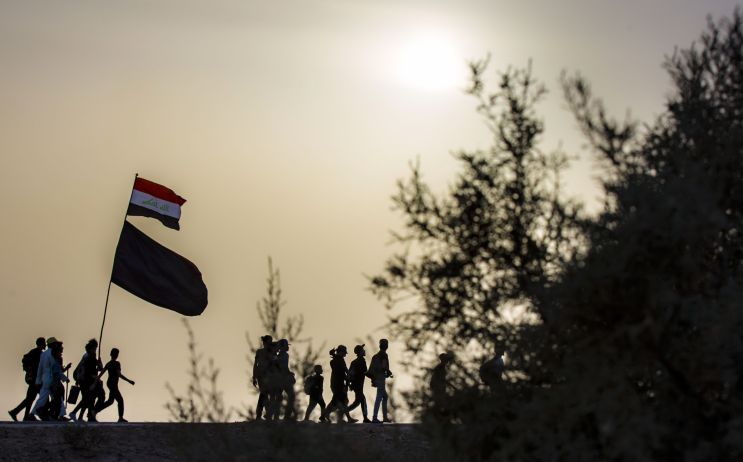

The revival
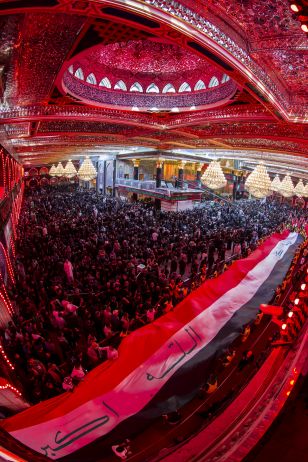
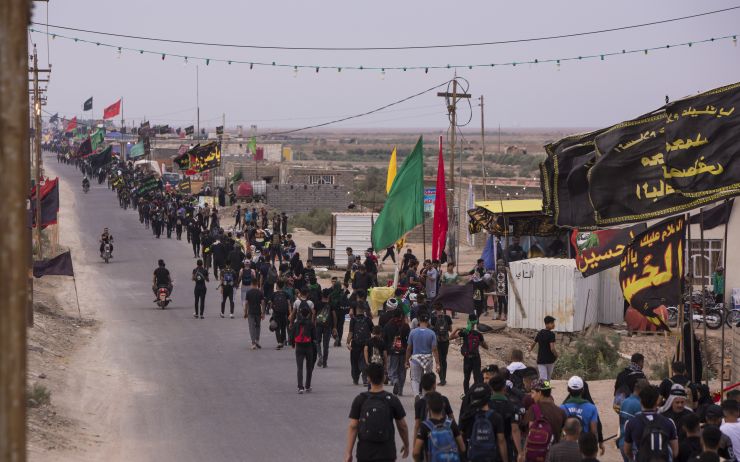
of Husayni rituals during the Arbaeen pilgrimage has played an important role
in mobilizing the masses toward the lofty goals for which Imam Husayn (peace be
upon him) rose—values such as faith, freedom, justice, and humanity. Therefore,
the pilgrimage needs to serve as a cultural, educational, and
awareness-raising activity, guiding people and channeling their passionate
emotions to introduce them to all these values.
As a result,
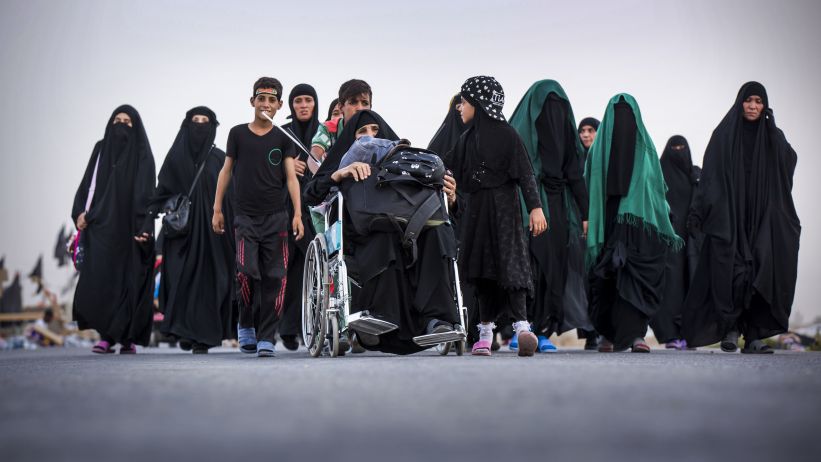
many roles and responsibilities have emerged, carried out by various segments
of society during such pilgrimages, especially the role played by women and
children (Al-Salami, 2015: p.6).
The
participation of women in reviving Husayni rituals, particularly during the
Arbaeen pilgrimage and other religious activities, has many important outcomes.
Most notably, it develops and strengthens their awareness of their role as
women, because this awareness is one of the strongest motivators that
drives women to fulfill their responsibilities. It serves as a powerful
internal incentive, and participating in Husayni rituals convinces women of the
necessity of performing their roles: as women in society, as mothers toward
their children, or as wives toward their husbands.
As long as a
woman participates in the Arbaeen pilgrimage, this almost certainly indicates
that her child accompanies her, since it is well known that raising and caring
for children to shape them into positive personalities requires the adult to be
capable of fulfilling the responsibilities of that role. Therefore, it is
assumed that a woman participating in the pilgrimage is also fulfilling her
broader responsibilities in raising and guiding her children.